Manage Your Energy, Not Your Time
Everyone has 24 hours. But energy is different — it can be recharged, depleted, and renewed. That's where real performance lives.
For years I was asking the wrong question.
How can I find more time? Can I optimize my calendar? Can I squeeze one more hour out of my day? As if the problem was time. It never was.
Time Is Fixed. Energy Is Not.
Time is constant. Everyone gets 24 hours — that never changes. But energy is manageable. Physical energy, mental energy, emotional energy — each can be charged, depleted, and renewed.
Three hours of low energy cannot be compared to one hour of deep focus. Knowing this, why do we keep looking at our calendars instead of our internal fuel gauge?
What Loehr and Schwartz Found
Jim Loehr and Tony Schwartz, in The Power of Full Engagement, stated it clearly: The key to high performance is not managing time, but managing energy. This was what they discovered when they brought the science of athletic training into the business world.
High performance is shaped not by the time you have, but by the energy you bring to that time.
Practical Application
I now start each day with one question: When will my energy be highest today? I assign that window to my most important work. Everything else follows.
Filling a calendar is easy. Filling yourself is another matter.
Manage your energy, not your time.
Continue reading
Related Articles
Dyeing
Cupro Blends: Performance, Dyeing and Finishing with Polyester, Modal and Lyocell
Compares dye uptake, HT tolerance, shade uniformity, fibrillation and finishing decisions across three Cupro blends using a controlled validation approach.
Dyeing
Reactive Dyeing of Cupro Fabrics: End-to-End Process Management
A technical publication covering pretreatment, nozzle mechanics, dyestuff selection, process curves, finish stenter chemistry and cost modelling for Cupro reactive dyeing.
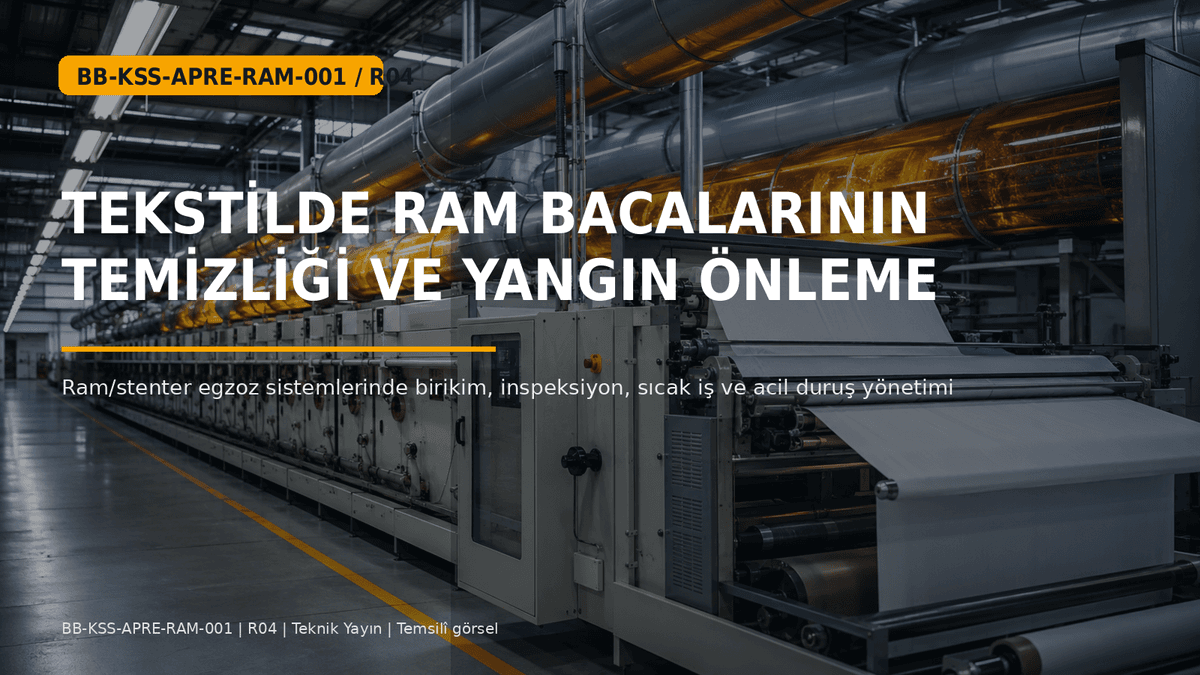
Finishing
Stenter Exhaust Cleaning and Fire Prevention
Explains how to control lint, oil, wax and aerosol deposits in stenter exhaust systems and manage inspection, cleaning, hot work and emergency response.
Bahri Budak
Technical publications, training and process consulting based on more than 35 years of field experience in Knitting, Dyeing and Finishing.
LinkedIn →